On-Grid, Off-Grid, or Hybrid: How to Choose the Right Home Solar System
You have decided to go solar — but the next decision shapes everything that follows: your savings, your backup protection, and your budget. Home solar systems come in three architectures: on-grid, off-grid, and hybrid. Choosing the wrong one is the most expensive mistake in residential solar.
This decision guide compares the three side by side, so you can match the architecture to your home, your grid, and your goals. (For how a home storage system works inside, see our guide on how home solar battery systems work.)
The three system types at a glance
On-grid
Connected to the utility grid. Solar powers your home by day and exports the surplus; at night you draw from the grid. Cheapest to install, but without a battery it cannot run during a blackout.
Off-grid
Fully independent. Batteries are essential, and the system must be sized for the worst weather week. The right choice where no grid exists — see our complete guide to off-grid solar systems.
Hybrid
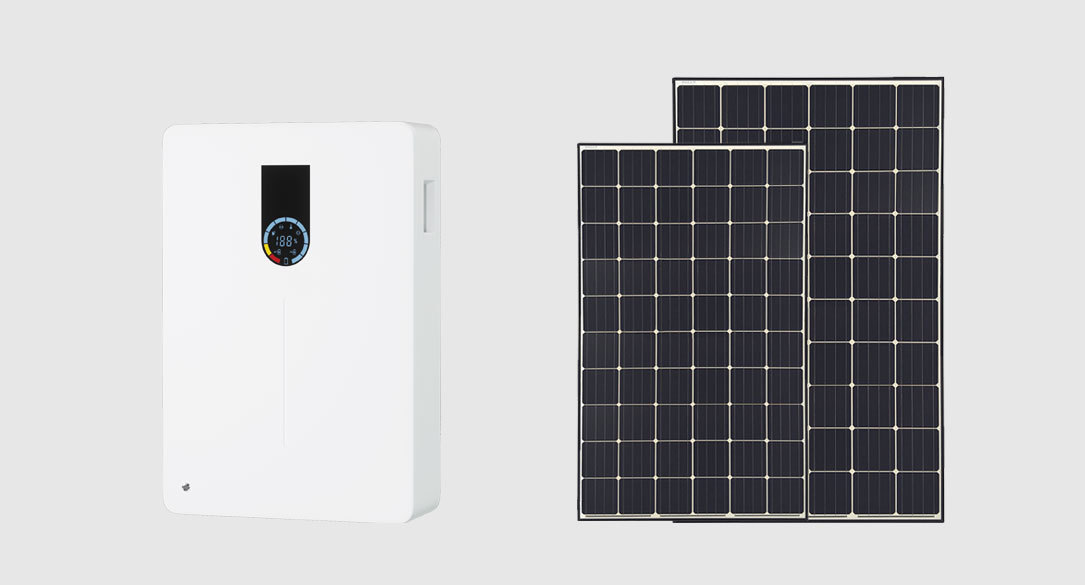
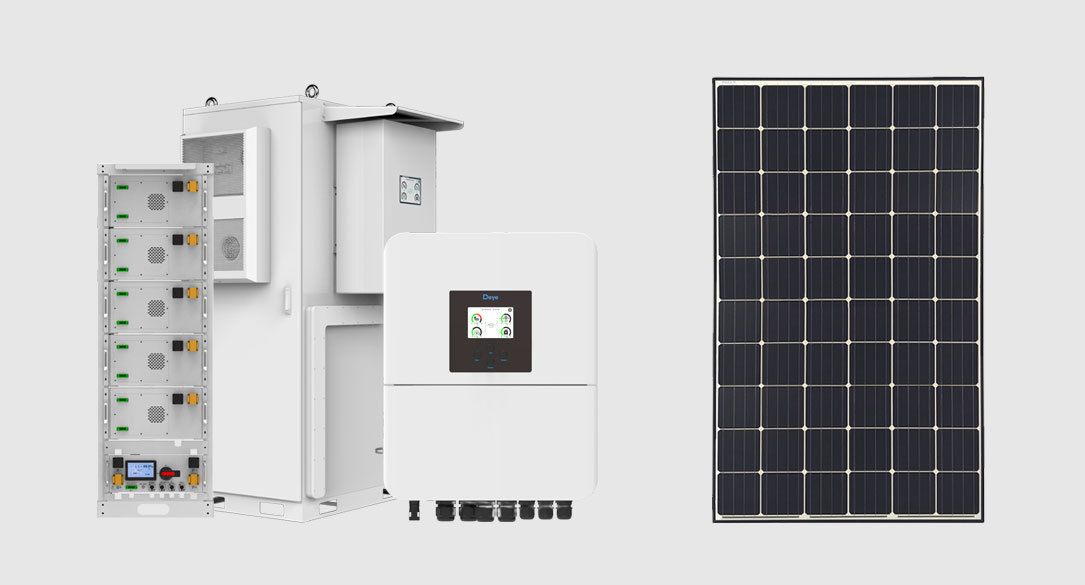
Grid-connected and battery-backed. Solar charges the battery first, the home runs on stored power at night or during peak tariffs, and the grid remains as a safety net. The most popular choice in markets with unstable power or time-of-use billing.
Side-by-side comparison
| Feature | On-Grid | Off-Grid | Hybrid |
|---|---|---|---|
| Grid connection | Yes | No | Yes |
| Battery required | Optional | Essential | Yes |
| Runs during blackout | No | Yes | Yes |
| Exports surplus to grid | Yes | No | Usually yes |
| Relative cost | Lowest | Highest (full sizing) | Medium |
| Best for | Reliable grid, high tariffs | No grid access, remote sites | Unstable grid, TOU billing, backup needs |
Which one fits your home?
Reliable grid, expensive electricity → on-grid (or on-grid + battery)
If outages are rare, your savings come mainly from replacing grid power with solar and exporting the surplus. Start on-grid; you can add a battery later — provided your inverter is hybrid-ready.
Frequent outages or unstable voltage → hybrid
A hybrid system keeps essentials — fridge, lights, internet, medical devices — running through outages, while still cutting bills with solar self-consumption and peak-hour discharge.
No grid connection at all → off-grid
For remote homes, farms, and island properties, off-grid is not a lifestyle choice but the only option. Budget for a properly sized battery bank and a backup plan for long cloudy periods.
Building or renovating → plan hybrid from day one
Wiring for a hybrid system during construction costs a fraction of retrofitting later, and future-proofs the home for EVs and rising tariffs.
Three mistakes to avoid
- Sizing the battery for the whole house. Backing up essential circuits only can halve battery cost with minimal lifestyle impact.
- Ignoring local feed-in policy. Export rates and net metering decide whether on-grid surplus is an income or a giveaway.
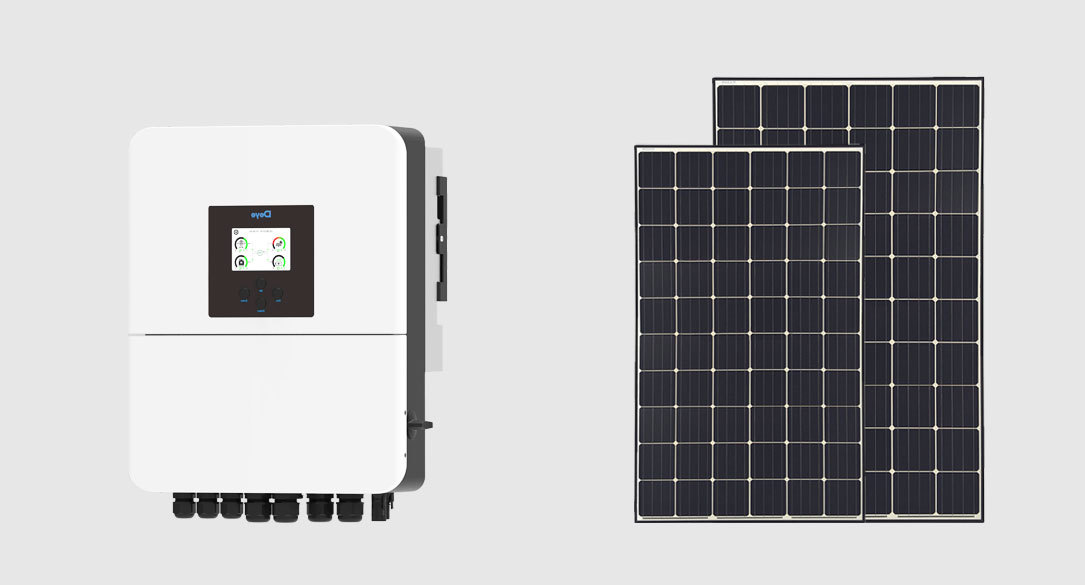
- Buying a non-hybrid inverter "to save money." If you might add storage or an EV later, a hybrid-ready inverter avoids a full replacement.
Next steps
Once you know your architecture, our companion guides take you further: how home battery systems work and how to size one, and the complete off-grid guide for remote applications. Vodloon residential systems run in more than 15,000 homes worldwide, with IP65 outdoor-rated batteries, IoT remote monitoring, and multi-language support.