Residential Solar Storage: How Home Solar + Battery Systems Work
Vodloon's residential energy storage solution has been deployed in over 15,000 homes worldwide, from Southeast Asia to Europe to Australia. This guide explains how a residential solar-plus-storage system works, the four operating modes, and how to size one for your home.
System Components: The Energy Flow
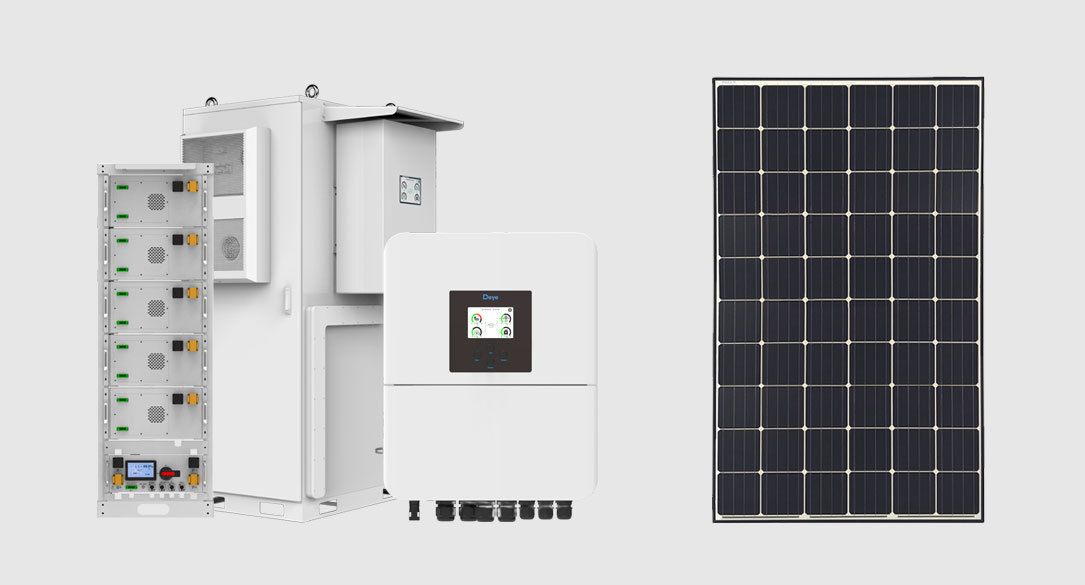
A complete residential solar storage system has four main components. Understanding how energy flows through them is the foundation for everything else:
| Component | Role | Typical Residential Size |
|---|---|---|
| Solar Panels | Capture sunlight, generate DC electricity | 5–10 kWp (12–24 panels) |
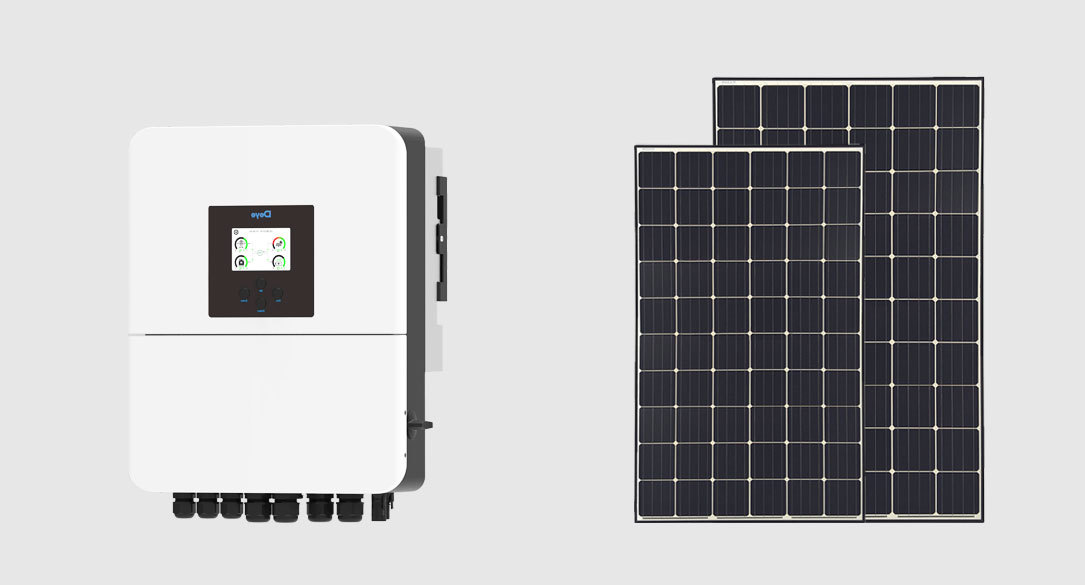
| Hybrid Inverter | Converts DC→AC, manages power flow, charges battery | 5–10 kW |
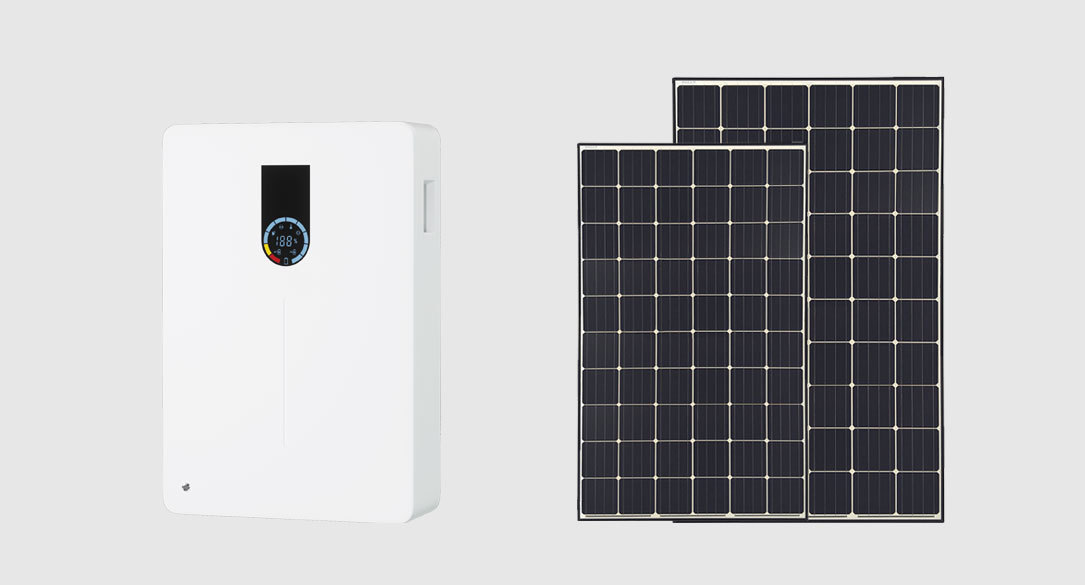
| Battery (LiFePO4) | Stores surplus energy for night/backup use | 5–15 kWh |
| EMS / IoT Module | Monitors performance, optimizes charging strategy | Cloud-connected app |
Energy flow: Sunlight → Panels (DC) → Inverter (converts to AC) → Home loads (priority) → Battery (surplus) → Grid (export if excess). At night, the battery discharges to power the home, and the grid provides only what the battery cannot.

Four Operating Modes
Vodloon's residential system supports four distinct application modes, each designed for a different scenario and tariff structure:
Mode 1: Self-Consumption (Default)
Solar powers the home directly during the day. Surplus charges the battery. Once the battery is full, remaining power exports to the grid (if feed-in tariffs are available). At night, the battery discharges to cover household loads. This mode maximizes self-sufficiency and minimizes grid purchases.
Mode 2: Time-of-Use Optimization
In regions with time-of-use (TOU) tariffs — where electricity is cheap at night and expensive during peak afternoon hours — the system charges the battery during off-peak hours (when rates are low) and discharges during peak hours (when rates are high). Even on cloudy days when solar output is low, this strategy alone can cut electricity bills by 20–40%.
Mode 3: Emergency Backup
The system reserves a configurable portion of battery capacity (e.g., 20%) for grid outage events. When the grid fails, the hybrid inverter switches to backup mode in under 20 milliseconds — fast enough that most appliances don't even notice. Essential loads (refrigerator, lights, internet, medical equipment) continue running seamlessly.
Mode 4: Off-Grid
For homes with no grid access or unreliable grid, the system operates purely on solar + battery. A backup generator can be integrated as a last resort for extended cloudy periods. The inverter manages the entire energy ecosystem autonomously.
How Much Can You Save?
Savings depend on your location (solar irradiance), tariff structure, system size, and self-consumption ratio. Here's a realistic model for a 4-person household with a 7 kW solar array and 10 kWh battery:
| Metric | Without Storage | With 10 kWh Battery |
|---|---|---|
| Annual Solar Production | ~9,500 kWh | ~9,500 kWh |
| Self-Consumption Ratio | 30–35% | 70–80% |
| Annual Grid Purchase | ~6,200 kWh | ~2,400 kWh |
| Annual Electricity Bill | ~$1,550 | ~$600 |
| Annual Savings | — | ~$950 (61% reduction) |
With feed-in tariffs, the savings can be even higher — excess exports generate additional income. Over the 10+ year lifespan of the system, total savings typically reach $9,000–$15,000, well exceeding the initial investment.
Sizing Guide: Right-Sizing Your System
Step 1: Determine Daily Consumption
Check your electricity bills for the last 12 months. Divide annual kWh by 365. A typical 4-person household uses 15–25 kWh/day. Your solar system should generate 80–100% of this daily average.
Step 2: Size the Solar Array
Divide your daily kWh target by your local peak sun hours (PSH). Example: 20 kWh/day ÷ 4.5 PSH = 4.4 kW. Add 20% for system losses = 5.3 kW array. Round up to 6 panels × 450W = 5.4 kWp.
Step 3: Size the Battery
The battery should cover your evening/night consumption — typically 40–60% of daily use. For a 20 kWh/day household, that's 8–12 kWh of usable storage. With LiFePO4 at 90% DoD, you need a 9–13 kWh rated battery. A 10 kWh module is the sweet spot for most homes.
Step 4: Choose the Inverter
Inverter capacity should match or slightly exceed the solar array (1:1 to 1.2:1 ratio). For a 5.4 kWp array, a 5–6 kW hybrid inverter is ideal. Verify it supports your battery's communication protocol (RS485/CAN).
Why 15,000+ Homes Chose Vodloon
- Automated production — Vodloon's automated production lines and strict quality control ensure consistency across every unit
- 18-year experience — a technical team with nearly two decades of solar energy solution expertise
- Four-mode versatility — self-consumption, TOU optimization, backup, and off-grid in one system
- IP65 outdoor rating — inverter can be installed outdoors without additional enclosures
- Multilingual IoT app — remote monitoring and OTA upgrades in multiple languages
- Perfect after-sales service — professional technical support resolves issues quickly
Residential solar storage is no longer a luxury — it is the smartest way to take control of your energy costs, protect against grid outages, and reduce your carbon footprint. With the right system, your home becomes its own micro power plant.
Ready to power your home with the sun? Explore Vodloon Residential Solutions →