Off-Grid Solar Systems: A Complete Guide for Remote Applications
Published: August 1, 2026 | Category: Off-Grid Systems | 8 min read
For millions of people worldwide, grid electricity is either unavailable, extremely unreliable, or prohibitively expensive to connect to. The cost of extending the grid to a remote home can range from $10,000 to $50,000+ per kilometer — often more than the entire off-grid solar system itself.
Off-grid solar systems are not just an alternative to the grid. For many applications, they are the only viable solution.
What Is an Off-Grid Solar System?
An off-grid (standalone) solar system operates completely independently of the utility grid:
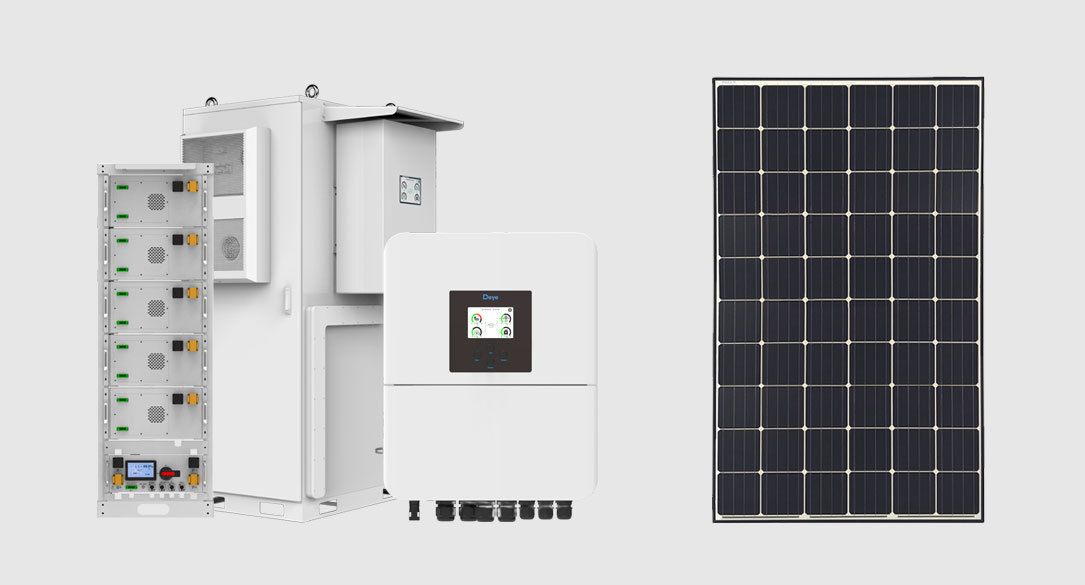
Solar Panels → Charge Controller → Battery Bank → Inverter → Appliances
↓
Backup Generator (optional)
Unlike grid-tied systems, off-grid systems must be sized to cover 100% of your energy needs — including during periods of low sun (winter, extended cloudy weather).
Key Components (And What to Look For)
1. Solar Panels
For off-grid, efficiency matters more because roof or ground space may be limited. N-TYPE or HJT panels (higher efficiency per square meter) are often worth the premium.
Sizing rule of thumb: Calculate your winter daily energy need (worst-case), then size solar array to generate 1.5–2× that amount.
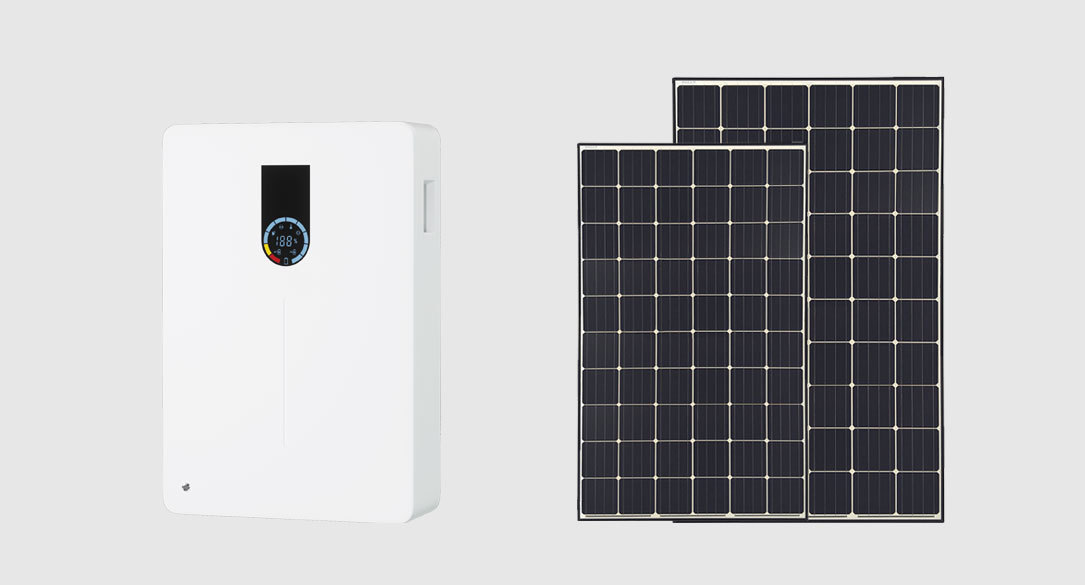
2. Battery Bank
The battery is the heart of an off-grid system. It must bridge the gap between sunny days and cloudy periods.
| Autonomy Days | Battery Capacity Needed | Typical Application |
|---|---|---|
| 1–2 days | 10–20 kWh | Reliable sunny climate, backup generator available |
| 3–5 days | 20–40 kWh | Moderate climate, occasional cloudy periods |
| 5–7 days | 40–70 kWh | Harsh winter climate, no backup generator |
LiFePO4 is strongly recommended for off-grid: 4,000+ cycle life, deep discharge capability (90% DoD), and minimal maintenance.
3. Charge Controller
MPPT (Maximum Power Point Tracking): Higher efficiency (95–99%), recommended for off-grid.
PWM (Pulse Width Modulation): Lower cost, lower efficiency (70–80%), only suitable for small systems.
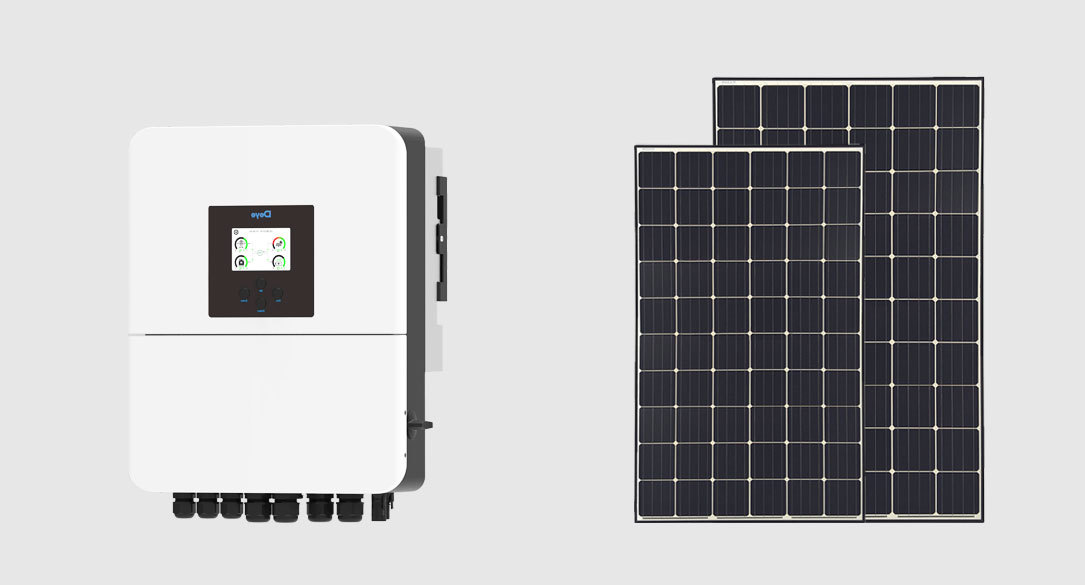
4. Inverter
Off-grid inverters must handle surge loads — short bursts of high power when motors or compressors start. Look for: surge rating 2–3× continuous, pure sine wave output, and built-in charger for generator integration.
Sizing Example: Remote Family Home
Daily energy consumption (4-person home):
- LED lighting: 0.5 kWh
- Refrigerator (efficient DC): 1.5 kWh
- Washing machine: 1.0 kWh
- Electronics: 1.0 kWh
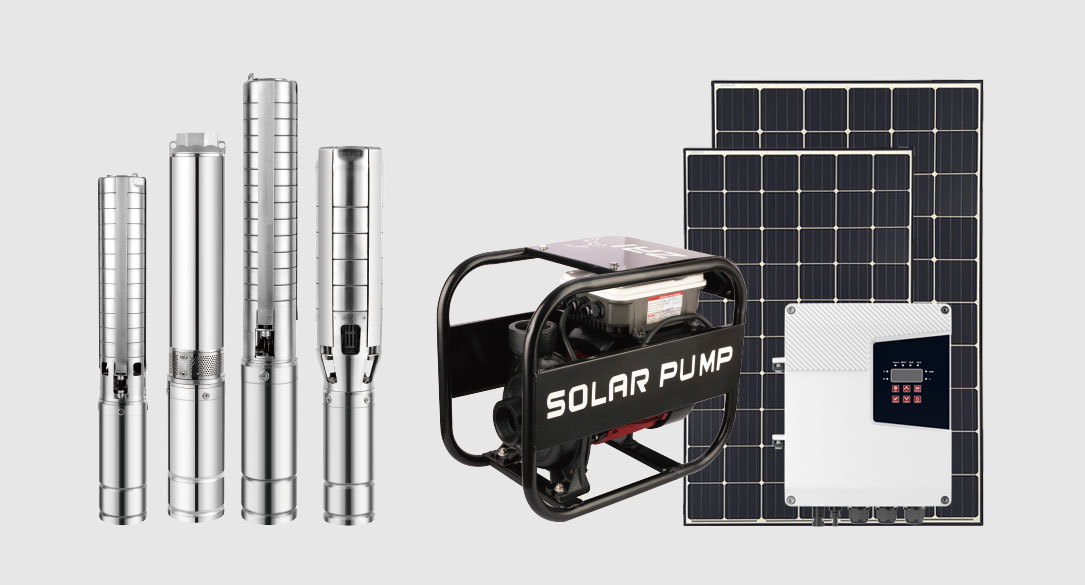
- Water pump (DC solar pump): 1.5 kWh
- Total: ~5.5 kWh/day
System sizing (worst-case winter):
Solar: 5.5 kWh × 2.0 = 11 kW
Battery: 5.5 kWh × 3 days = 20 kWh
Inverter: 5 kW continuous, 10 kW surge
Estimated cost: $18,000–$28,000
Off-Grid vs. Hybrid: Which Do You Need?
| Consideration | Off-Grid | Hybrid |
|---|---|---|
| Initial cost | Higher (more batteries) | Lower (grid as backup) |
| Reliability | Depends on sizing + generator | Very high (grid fallback) |
| Best for | No grid access | Unreliable grid / high rates |
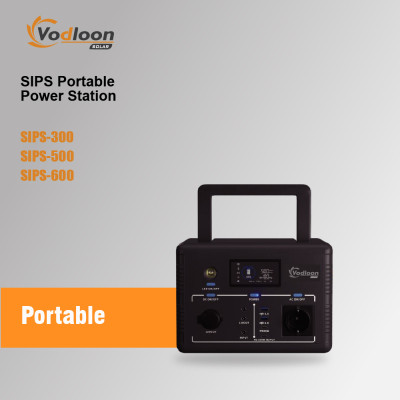
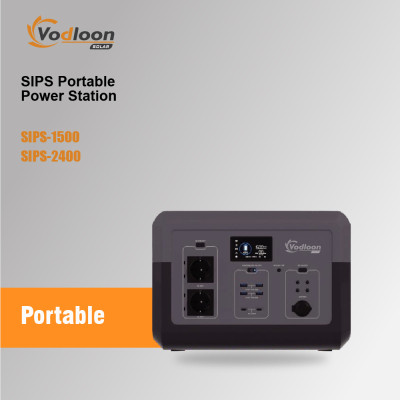
Vodloon Off-Grid System Solutions
- Residential: 5 kWh to 30 kWh battery capacity, pre-engineered for easy installation
- Commercial/Industrial: Scalable to 1 MWh+, with intelligent generator integration
- Solar pumping for off-grid water: DC solar pumps running directly from panels, with optional battery
- Global support: Local language technical support in 30+ countries