12V LiFePO4 Battery: The Core Energy Storage Unit for Solar Systems
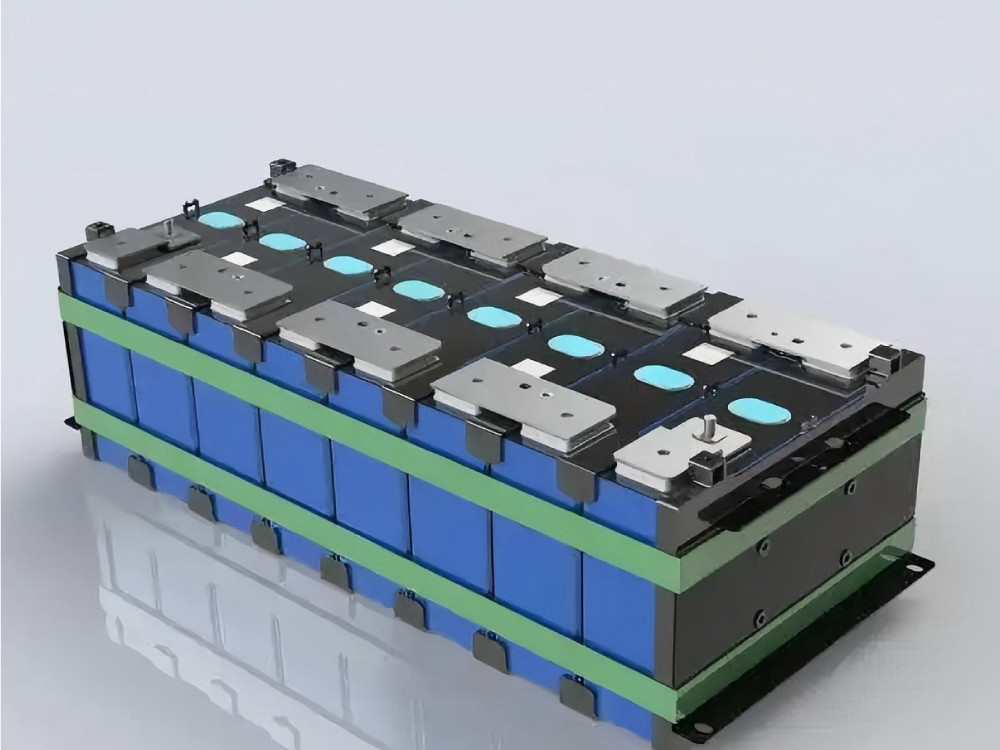
In off-grid homes, solar cabins, RVs, and small-to-medium commercial solar systems, 12V LiFePO4 batteries have emerged as the most popular and reliable energy storage solution. This voltage rating perfectly matches most small-scale solar systems, delivering a complete closed loop from energy capture to end use.
I. Core Position in System Architecture
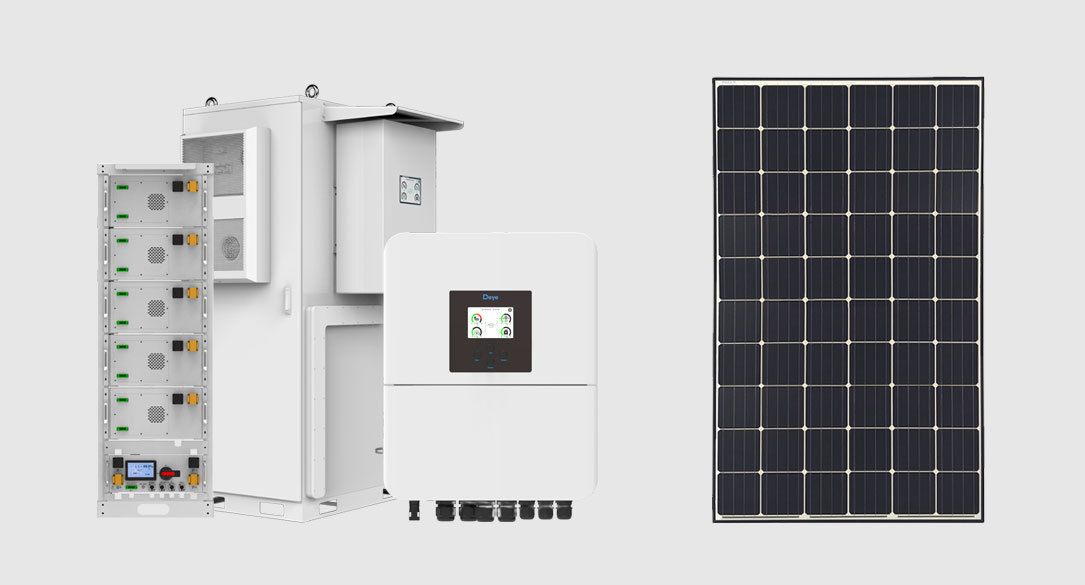
A typical 12V solar system consists of the following components, with the 12V LiFePO4 battery at the central hub of energy flow:
Solar Panels → Solar Charge Controller → 12V LiFePO4 Battery → Inverter → Household Appliances
(Charging Management) (Energy Storage) (DC-to-AC Conversion)
Key Connection Points:
· Connection to Solar Charge Controller: The battery receives charging current from solar panels, and the controller ensures a safe and efficient charging process.
· Connection to Inverter: The battery supplies DC power to the inverter, which converts it to AC power for household use.
· Direct Connection to DC Loads: Some DC devices (e.g., LED lights, water pumps) can draw power directly from the battery.
II. Why 12V LiFePO4 Batteries Are the Ideal Choice for Solar Systems?
1. Voltage Compatibility
· System Compatibility: Most small-scale solar systems are designed with a 12V architecture, fully compatible with the standard electrical systems of RVs, boats, and small off-grid houses.
· Modular Expansion: Capacity can be increased via parallel connection (e.g., 2 × 12V 100Ah batteries in parallel = 12V 200Ah) or voltage raised via series connection (e.g., 2 × 12V batteries in series = 24V system).
2. Full Demonstration of Performance Advantages
In solar applications, the inherent advantages of 12V LiFePO4 batteries are fully realized:
Advantage | Details & Data |
|---|---|
Deep Discharge Capability | Supports 80-90% Depth of Discharge (DoD), maximizing solar energy utilization. Example: 12V 100Ah battery → Usable energy ≈ 100Ah × 12.8V × 90% ≈ 1152Wh Lead-acid battery of same capacity → Only ≈ 576Wh usable energy |
Fast Charging Response | High efficiency (>95%) ensures maximum energy storage during limited sunlight hours. Fully charged in 3-4 hours of intense midday sunlight. Supports high-current charging to utilize short sunlight windows. |
Cycle Life Matching | Solar systems undergo 1 charge-discharge cycle per day. Lead-acid battery: Needs replacement after 3-5 years (≈1000-1800 cycles). LiFePO4 battery: Stable service for 10+ years (3000-6000 cycles). |
3. Safety & Maintenance Advantages
· Maintenance-Free Design: Fully sealed, no need for water refilling or equalization charging—ideal for remote area installations.
· Wide Temperature Operation: Works reliably between -20°C and 60°C, adapting to outdoor installation environments.
· Built-in BMS Protection: Equipped with overcharge, over-discharge, over-current, short-circuit, and temperature protection to ensure system safety.
III. Detailed Practical Application Scenarios
Scenario 1: Off-Grid Home Solar System
System Configuration Example:
· Solar Panels: 2000W
· Controller: 60A MPPT Solar Charge Controller
· Battery: 12V 200Ah LiFePO4 battery bank (2 × 12V 100Ah in parallel)
· Inverter: 3000W Pure Sine Wave Inverter
Workflow:
· Daytime: Solar panels generate power → Controller regulates → Charges the battery.
· Evening to Morning: Battery discharges → Inverter converts → Powers the household.
· Continuous Rainy Days: Stored energy supports basic electricity needs for 2-3 days.
Scenario 2: Solar Cabin/Vacation Home
Key Requirements:
· Limited space, requiring compact energy storage solutions.
· Seasonal use, requiring long-term charge retention.
· Easy installation, DIY-friendly.
12V LiFePO4 Battery Advantages:
· Lightweight: 50-70% lighter than lead-acid batteries of the same capacity, installable by one person.
· Low Self-Discharge: Maintains charge for months of inactivity, ready for use anytime.
· Plug-and-Play: Standardized interfaces for simple installation.
Scenario 3: Solar Backup Power System
Application Scenarios:
· Backup power in areas with unstable grid supply.
· Uninterrupted power for critical equipment (e.g., networks, medical devices).
· Emergency power supply.
System Features:
· Usually integrated with the grid to form a hybrid system.
· Batteries remain in float charge mode most of the time, requiring long standby capability.
· Rapid response to grid outages.
12V LiFePO4 Battery Performance:
· No damage from long-term float charging: No memory effect, long float charge life.
· Instant high-current output: Supports startup of high-power equipment.
· Automatic switching: Collaborates with inverters for millisecond-level switching.
IV. Key Points for System Design & Configuration
1. Capacity Calculation Guide
Required Battery Capacity (Ah) = [Daily Power Consumption (Wh) × Autonomy Days] ÷ [System Voltage (V) × DoD × System Efficiency]
Calculation Example:
· Daily Power Consumption: 2000Wh
· Autonomy Days: 2 (no sunlight)
· System Voltage: 12V
· DoD: 90% (LiFePO4)
· System Efficiency: 90%
Required Capacity = (2000 × 2) ÷ (12 × 0.9 × 0.9) ≈ 411Ah
Recommended Configuration: 4 × 12V 100Ah LiFePO4 batteries in parallel, or 2 × 12V 200Ah batteries in parallel.
2. Charging System Matching
· Solar Charge Controller Selection: MPPT controllers offer higher efficiency, especially suitable for 12V systems.
· Charging Current Configuration: Recommended charging current is 0.2C-0.5C of battery capacity.
o 100Ah battery: 20A-50A charging current
o Corresponding Solar Panel Power: Approximately 300W-750W (considering actual sunlight conditions)
3. Installation & Maintenance Tips
· Installation Environment: Dry, well-ventilated, and temperature-stable.
· Connection Method: Use sufficiently thick cables to ensure low voltage drop.
· Regular Inspections:
o Check connection terminals monthly for tightness.
o Monitor battery status via BMS software.
o Clean the battery surface and maintain good ventilation.
V. Economic Analysis: Why It’s a Wise Investment?
Initial Investment vs. Long-Term Returns (100Ah System Example):
Item | 12V Lead-Acid Battery | 12V LiFePO4 Battery |
|---|---|---|
Initial Cost | Lower | Higher (≈2-3x the lead-acid battery) |
Service Life | 3-5 years | 10+ years |
Total Cost Over 10 Years | High (2-3 replacements needed) | Low (one-time investment) |
Usable Energy | Only 50% DoD | 90% DoD → 80% more actual usable energy |
Maintenance Cost | Regular maintenance, potential replacements | Basically maintenance-free |
Conclusion: Despite the higher initial investment, LiFePO4 batteries typically have a 30-50% lower total cost of ownership (TCO) over a 10-year period compared to lead-acid batteries.
VI. Future Development Trends
Technology Evolution Directions:
· Higher Energy Density: Continuous capacity improvement in the same volume.
· Integrated Design: Integration of BMS, inverter, and controller into one unit.
· Intelligent Management: Remote monitoring and optimization via mobile APP.
· Modular Expansion: Hot-swappable capacity expansion without professional installation.
Market Application Expansion:
· Integration with EV V2H (Vehicle-to-Home) technology.
· Distributed energy storage units in microgrids.
· Core component of smart home energy management systems.
Conclusion: The Cornerstone of Reliable Solar Systems
The 12V LiFePO4 battery is more than just an energy storage component—it is the "heart" of modern small-scale solar systems. It captures the "gift" of solar panels, stores natural energy, and releases it stably, safely, and efficiently when needed, converting intermittent solar energy into continuous usable power.
Choosing a 12V LiFePO4 battery means choosing:
· An energy storage core that requires no replacement for a decade.
· A safe and reliable household energy guarantee.
· An intelligent system that efficiently utilizes every ray of sunlight.
More importantly, it means choosing a lifestyle of energy independence—whether you live in a remote mountain cabin, travel in an RV, or pursue energy autonomy in an urban home, the 12V LiFePO4 battery provides a stable, clean, and economical power solution, making solar energy a truly reliable 24/7 energy source.
When building your solar system, starting with a 12V LiFePO4 battery lays the most solid foundation for the long-term reliable operation of the entire system.