Solar Pumping for Livestock and Rural Water Access: A Practical Guide
Published: August 8, 2026 | Category: Solar Pumping | 7 min read
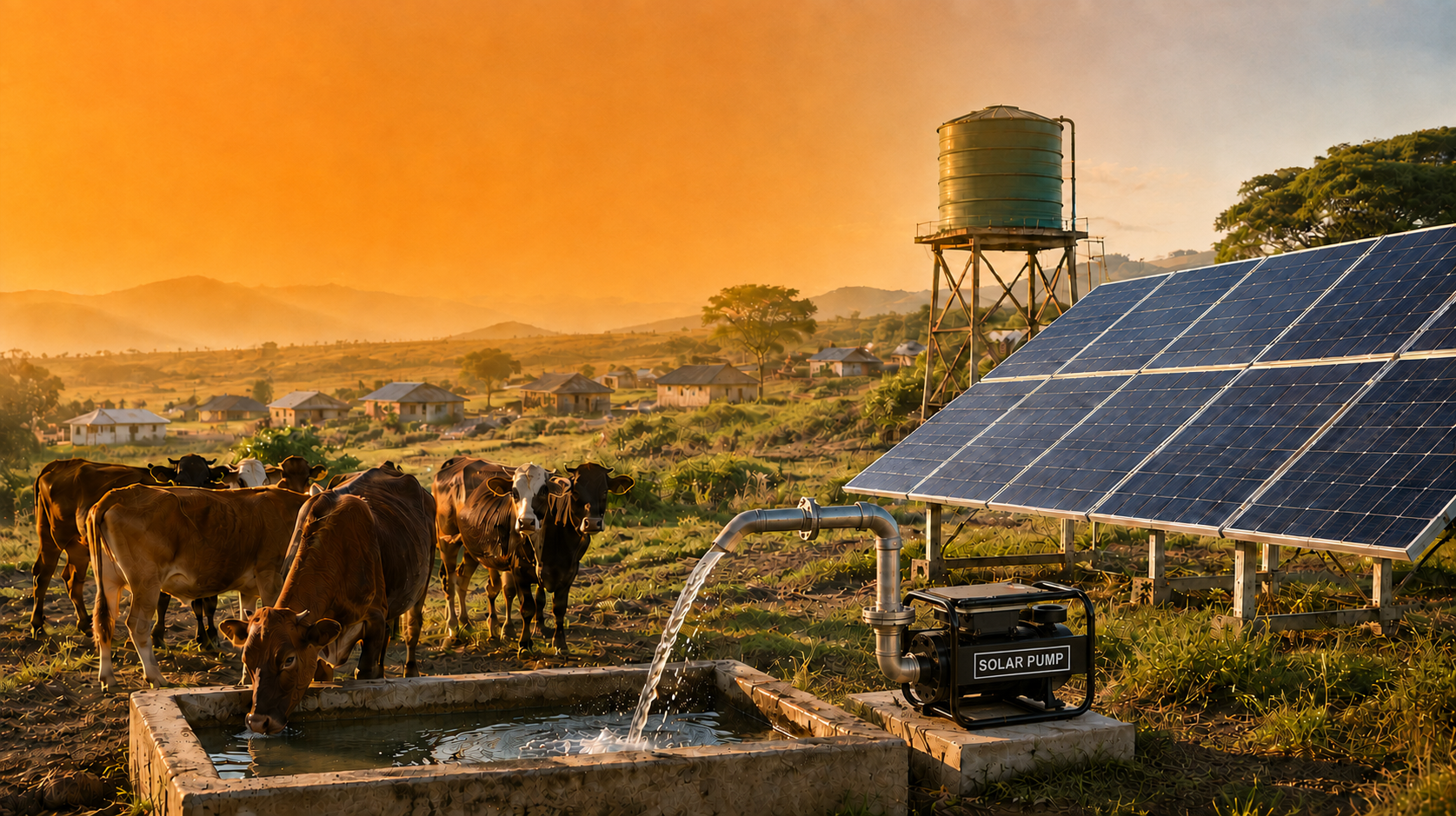
Across the world's rural areas, accessing reliable water is a daily challenge. For cattle ranchers in Australia, sheep farmers in Patagonia, and rural communities in sub-Saharan Africa, the cost and logistics of diesel fuel for water pumps are a constant burden.
Solar water pumps are changing that — delivering reliable water with zero fuel cost and minimal maintenance.
Why Solar for Livestock Watering?
Livestock water demand is remarkably consistent — and solar energy production matches it well:
- Hotter days = more solar output = more water pumped (animals drink more when it is hot)
- No fuel to transport to remote pastures
- No engine to maintain or repair in the field
- Operates automatically — no daily startup/shutdown
For a typical 200-head cattle operation, a solar pump can save $1,500–$3,000 per year in diesel and maintenance costs.
How Much Water Do Livestock Need?
| Animal | Daily Water Need (L/head/day) | Note |
|---|---|---|
| Cattle (adult) | 40–80 L | Higher in hot weather |
| Sheep / Goats | 4–10 L | |
| Horses | 30–60 L | |
| Pigs | 10–25 L |
Example: 200 cattle × 60 L/day = 12,000 L/day (12 m³/day)
Solar Pump Sizing for Livestock
Unlike irrigation (which has a growing season), livestock water demand is year-round. Your solar pump must be sized for winter solar conditions.
Step 1: Calculate Daily Water Volume
Use the table above + your stock numbers. Add 20% margin for especially hot periods.
Step 2: Determine Total Dynamic Head (TDH)
TDH = Static water level (depth to water) + lift height (to tank) + friction loss in pipes.
Example: Borehole 40m + tank 10m above ground + friction 5m = TDH 55m
Step 3: Select Pump Type
| TDH | Recommended Pump | Vodloon Series |
|---|---|---|
| < 30m | Surface pump or shallow submersible | DC Solar Pump (0.37–1.5 kW) |
| 30–150m | Submersible DC pump | DC Solar Pump (1.5–7.5 kW) |
| > 150m | High-head submersible | AC/DC Hybrid (7.5 kW+) |
Storage Tank: The Most Important Component You're Not Thinking About
A solar pump without water storage is like a grid-tied system without net metering — you can only use the water when the sun is shining.
| Stock Size | Recommended Tank Size |
|---|---|
| 50–100 head | 5,000–10,000 L |
| 100–300 head | 10,000–30,000 L |
| 300+ head | 30,000 L+ or multiple tanks |
Cost Breakdown: Solar Pump vs. Diesel Pump (10-Year TCO)
| Cost Item | Diesel Pump (10 years) | Solar Pump (10 years) |
|---|---|---|
| Equipment | $3,000 | $4,500 |
| Fuel | $18,000–$25,000 | $0 |
| Maintenance | $3,000 | $800 |
| Total TCO | $24,000–$31,000 | $5,300 |
The economic case for solar pumping is overwhelming in almost every scenario.
Vodloon Solar Pumping Solutions
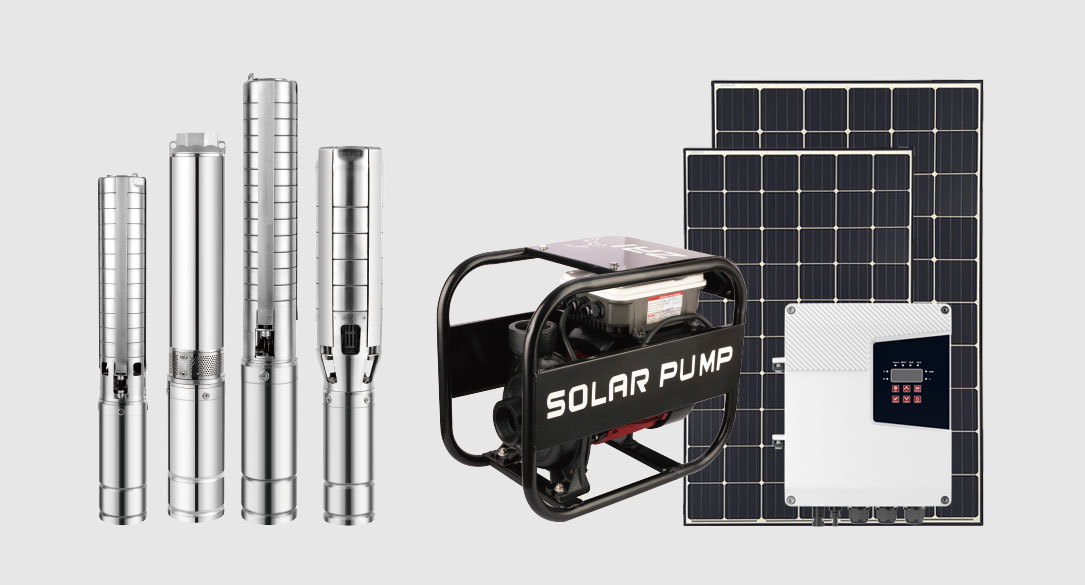
- DC Solar Pumps: 0.37 kW to 37 kW, ideal for direct solar operation
- AC/DC Hybrid Pumps: For locations with unreliable sun or 24/7 operation needs
- Built-in Controller Pumps: Lower-cost option with integrated MPPT controller
- Solar Pump Inverters: 0.75 kW to 250 kW, compatible with standard 3-phase AC pumps
- All systems include dry-run protection, over-voltage protection, and 2-year warranty
Water is life — for your livestock, your community, and your livelihood. Let Vodloon help you design a solar pumping system →