LiFePO4 Batteries: How "Slow Storage, Fast Charging" Is Reshaping the Future of Solar Energy Storage
Amid the global energy transition, solar power is evolving from a "supplementary energy source" to a "primary energy source." However, the intermittency of sunlight remains a core challenge—how to bridge the long night with surplus daytime energy to provide stable electricity for homes and businesses? The answer lies in energy storage, and at the heart of energy storage is the battery. Among various technical routes, lithium iron phosphate (LiFePO4) batteries, with their unique "slow storage, fast charging" performance, are becoming the cornerstone of modern solar energy storage systems, redefining how energy is utilized.
I. What Is "Slow Storage, Fast Charging"?
This is not merely a technical parameter but a disruptive performance philosophy designed to address the fundamental contradiction of traditional energy storage technologies: how to ensure long battery durability (slow storage) while rapidly capturing and storing fleeting solar energy (fast charging).
·Slow Storage: Refers to a battery’s ability to store electrical energy for the long term, stably and safely. It emphasizes not speed, but "endurance" and "reliability." This requires a highly stable battery chemical system, minimal capacity degradation during daily charge-discharge cycles, and a robust structure to ensure consistent output for a decade or more.
·Fast Charging: Refers to a battery’s ability to absorb energy efficiently and quickly when sunlight is abundant or grid power is available. This is critical for solar systems: peak midday sunlight is limited, so batteries must "fill up" in a short time to maximize power generation during peak hours and minimize energy waste.
Combined, they form an ideal energy storage cycle: efficiently capturing energy through "fast charging" and retaining it for the long term via "slow storage." This directly addresses global energy challenges—rising electricity prices, peak grid loads, and the demand for stable power in remote areas.
II. Why Are LiFePO4 Batteries the "Perfect Fit" for This Concept?
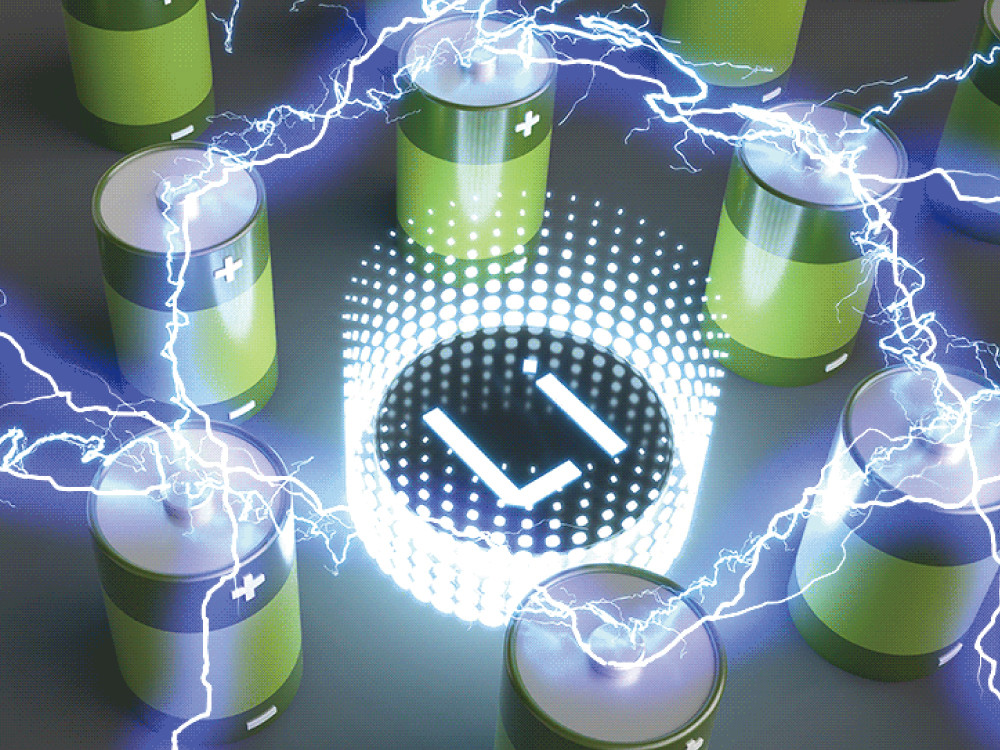
Among lead-acid, ternary lithium, and other battery technologies, LiFePO4 perfectly aligns with the dual requirements of "slow storage, fast charging" due to its unique chemical properties.
1. Born for "Slow Storage": The Foundation of Safety and Longevity
·Stable Crystal Structure: The olivine crystal structure of LiFePO4 undergoes almost no deformation during charge-discharge cycles, granting it an ultra-long cycle life (up to 6,000+ cycles—10 times that of lead-acid batteries). This means it can operate stably for over 15 years with daily cycling, truly embodying the "slowness" of durability.
·Exceptional Thermal Stability: Its strong chemical bonds and high decomposition temperature fundamentally eliminate the risk of thermal runaway, ensuring absolute safety for long-term storage—ideal for residential and commercial environments.
·Wide Temperature Adaptability: Performance degradation is far less than other lithium batteries in extreme heat or cold, guaranteeing reliable storage for outdoor solar systems in all climates.
2. Guarantees for "Fast Charging": High Efficiency and High Rate Capability
·Low Internal Resistance: LiFePO4 batteries have low internal resistance, resulting in minimal energy loss and heat generation during charging. This allows for higher charging currents, enabling fast charging.
·High Conversion Efficiency: Charge-discharge efficiency exceeds 95%, far surpassing the 70-80% of lead-acid batteries. This means electricity generated by solar panels can be stored almost losslessly and released efficiently when needed, maximizing the value of every ray of sunlight.
·Supports High Depth of Discharge (DoD): With a DoD of up to 80-95%, the battery’s "usable capacity" is larger. Combined with fast charging capability, the system can store a large amount of usable energy in a short time to cope with longer periods of no sunlight.
III. How Does "Slow Storage, Fast Charging" Empower Practical Applications?
This performance combination is profoundly transforming energy usage patterns from homes to the grid.
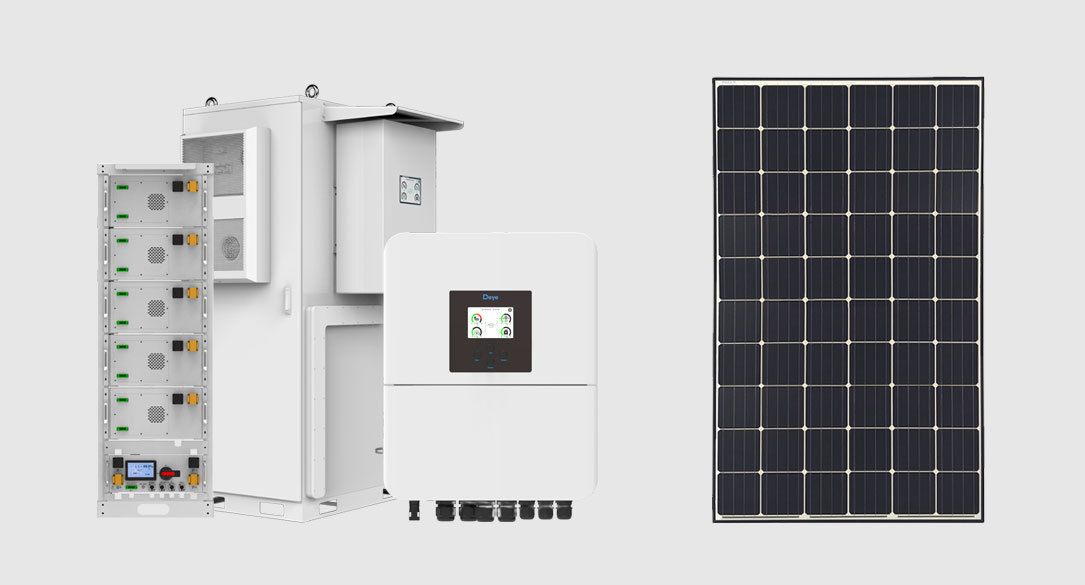
·Residential Solar-Storage Systems: During the day, the battery quickly "fills up" within 2-3 hours of peak sunlight (fast charging); at night, it releases energy slowly and stably to power the entire household until dawn (slow storage). Users enjoy an almost seamless power experience.
·Commercial and Industrial Peak Shaving: During high electricity price peak hours, the system rapidly discharges stored energy (fast discharge); during off-peak night hours, it quickly replenishes energy from the grid (fast charging). Throughout the process, the battery endures daily deep charge-discharge cycles, and its "slow storage" durability ensures a stable return on investment for businesses.
·Microgrid and Off-Grid Applications: In grid-independent scenarios, the battery must quickly store sufficient energy during daylight hours to support 24/7 operation. LiFePO4’s "fast charging" ensures efficient energy capture, while its "slow storage" characteristic guarantees long-term operational reliability in extreme environments.
IV. System-Level Support for Realizing This Performance
High-quality cells alone are not enough; the realization of "slow storage, fast charging" ultimately relies on an intelligent system engineering approach.
·Intelligent Battery Management System (BMS): Acting as the "battery brain," the BMS real-time monitors the voltage and temperature of each cell, intelligently adjusts charging current for safe fast charging, and uses balancing technology to ensure all cells age synchronously—fulfilling the long-life promise of "slow storage."
·Synergy with Inverters: An efficient energy management system predicts sunlight intensity, optimizes charging strategies, charges at maximum power during peak sunlight, and switches smoothly when the battery is nearly full to protect battery health.
·Modular Design: Supports flexible capacity expansion, allowing users to add "storage units" as needed while the entire system maintains efficient unified management and fast charging performance.
V. Future Outlook: From Product Feature to Energy Strategy
"Slow storage, fast charging" has evolved from a battery performance feature to a sustainable energy management strategy. It represents a value shift in the energy industry: from simply pursuing charge-discharge speed to comprehensively considering efficiency, safety, lifespan, and total cost of ownership.
As the world accelerates its transition to renewable energy, LiFePO4 batteries with "slow storage, fast charging" capabilities will become a key pillar in building a new power system. They transform solar energy from an intermittent, weather-dependent power source into a stable, controllable, and dispatchable high-quality energy source.
Conclusion
Choosing a LiFePO4 battery is more than selecting an energy storage device. You are choosing:
·Peace of Mind: Over a decade of safe operation without frequent replacements.
·High Efficiency: Maximizing the value of every investment and capturing every ray of sunlight.
·Energy Independence: Controlling your own energy production and consumption, resisting electricity price fluctuations and grid instability.
On the path to energy independence, LiFePO4 batteries with "slow storage, fast charging" are laying a solid foundation for households and industries worldwide to move toward a green, low-carbon, and intelligent energy future. What they store is not just electricity, but a lasting, stable energy autonomy.