How to Maintain Your Solar Panel System for Maximum Output
Published: July 25, 2026 | Category: Maintenance | 7 min read
Solar panels are famously low-maintenance — no moving parts, no fuel, no regular servicing. But "low-maintenance" is not "no-maintenance." A well-maintained solar system can deliver 5–25% more energy per year than a neglected one.
Here is everything you need to know about keeping your solar panels performing at their best for 25+ years.
The Enemies of Solar Panel Performance
| Factor | Impact on Output | Preventable? |
|---|---|---|
| Soiling (dust, bird droppings) | 5–25% | ✅ Yes |
| Shading (tree growth) | 10–80% | ✅ Often |
| Inverter failure | 0% (system offline) | ⚠️ Partially |
| Natural degradation | 0.3–0.5%/year | ❌ No (normal) |
How Often Should You Clean Solar Panels?
| Environment | Recommended Cleaning Frequency |
|---|---|
| Frequent rain, no dust | Once per year (inspection only) |
| Urban, moderate dust | 2–4 times per year |
| Dry, dusty (desert/arid) | Monthly during dry season |
| Near agriculture (pollen, spray) | Every 2–3 months |
How to Clean Safely
Recommended method:
- Clean in early morning or evening when panels are cool
- Use deionized water if possible (prevents mineral spotting)
- Soft brush or sponge with extendable handle (no ladder needed)
- Gentle rinse — high-pressure washers can damage seals
- Never walk on panels — even distributed weight can cause micro-cracks
What to Monitor (And How)
Modern solar systems make monitoring easy. Most string inverters have a Wi-Fi or cellular connection that sends data to a smartphone app.
Key metrics to watch:
- Daily energy production: Compare to same date last year. A 10%+ drop may indicate soiling or a fault.
- Inverter error codes: Grid fault (usually auto-resolves), DC overload (may need inverter upgrade), or earth fault (requires professional).
- Individual panel performance: If you have module-level optimizers, you can see exactly which panel is underperforming.
Inverter Maintenance: The Forgotten Component
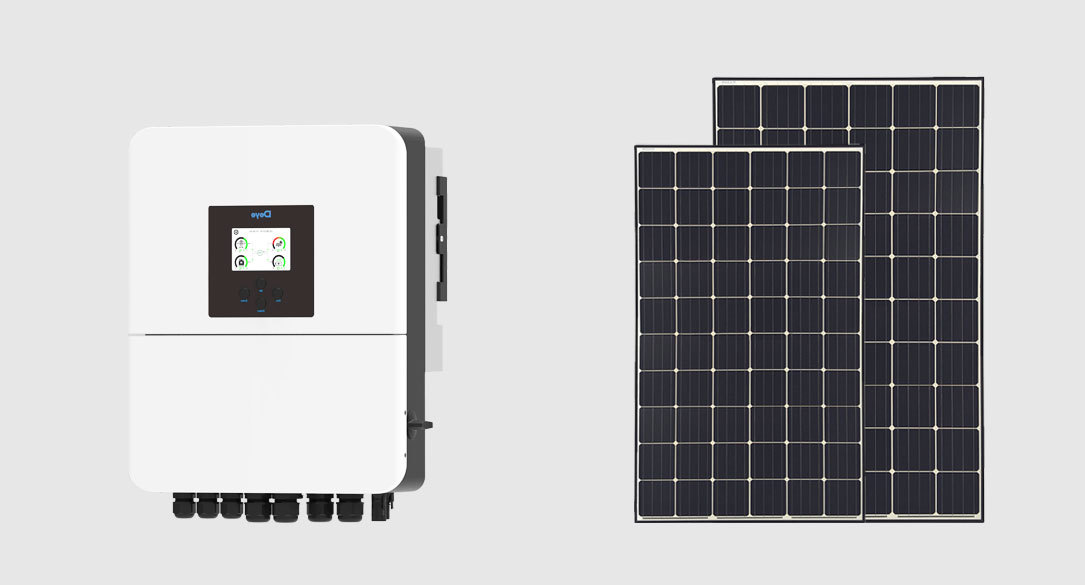
While panels can last 25–30 years, inverters typically need replacement after 10–15 years. This is normal and should be budgeted for.
Signs your inverter may need replacement:
- Frequent error codes
- Audible buzzing or humming
- Physical deformation or discoloration
- Age >12 years (even if still working)
Vodloon Panel Durability and Warranty
- Anti-soiling coated glass option — reduces dust adhesion by up to 50%
- Salt-mist corrosion certification (IEC61701) — suitable for coastal installations
- 25-year linear power output warranty — guaranteed ≥80% output at year 25
- 12-year product warranty — covers manufacturing defects
A $200 annual cleaning and inspection can protect a $15,000 asset and add thousands of dollars in energy production over the system's lifetime. Download Vodloon O&M Guide →