Depth of Discharge (DoD): The Key to Unlocking a Lithium Battery's True Energy Potential
In solar energy storage systems, conversations like this are common:
"I bought a 10kWh battery.""How much electricity can you actually use per day?"
"Well... around 8kWh."
Why can a 10kWh battery only deliver 8kWh of usable energy? Behind this seemingly "wasteful" gap lies a core concept that determines battery performance and lifespan—Depth of Discharge (DoD). Today, let’s dive deep into this critical parameter that impacts the efficiency of your energy system.
I. What is Depth of Discharge (DoD)?
Depth of Discharge (DoD) refers to the percentage of a battery’s total capacity that has been used.
Simple Formula: DoD = (Energy Discharged ÷ Total Battery Capacity) × 100%
Intuitive Understanding:
Imagine your battery is a 10-liter bucket:
·If you use 5 liters, DoD = 50%
·If you use 9 liters, DoD = 90%
·If you empty the bucket completely, DoD = 100%
But here’s the key point: Almost no battery should be discharged to 100% DoD—just as you wouldn’t scrape every last drop from a bucket.
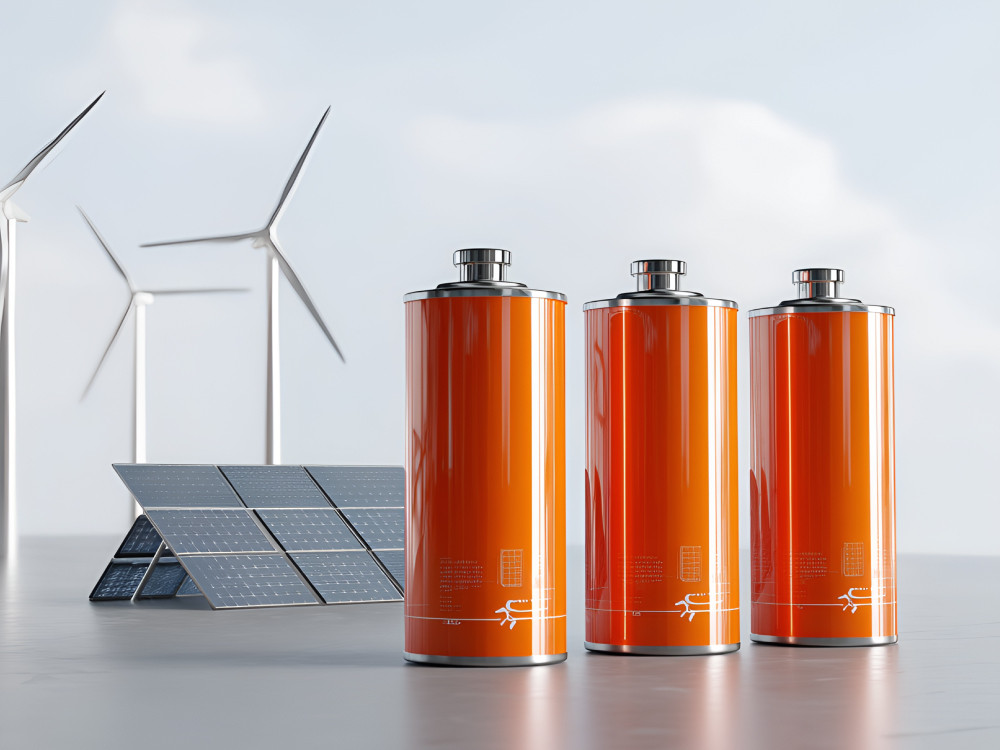
II. How Does DoD Affect Battery Lifespan?
A battery’s lifespan is closely tied to its DoD usage pattern, summarized by a simple rule:
The deeper the DoD, the greater the "stress" on the battery per cycle, and the shorter its total cycle life.
| Battery Type | Recommended DoD Range |
Typical Cycle Life | Key Features |
|---|---|---|---|
| Lead-Acid Battery | 30%-50% | 300-600 cycles | Deep discharge causes severe damage |
| Standard Lithium-Ion Battery | 70%-80% | 800-1,500 cycles | Balances performance and lifespan |
| LiFePO4 Battery | 80%-95% | 3,000-6,000+ cycles | Preferred choice for solar energy systems |
Why the Difference?
·Lead-Acid Batteries: Deep discharge leads to plate sulfation, permanently reducing capacity.
·Lithium Batteries: Especially LiFePO4, their stable crystal structure withstands deep discharge without irreversible damage.
III. The Direct Relationship Between DoD and Usable Energy
This is DoD’s most practical significance: it determines how much electricity you can actually use.
Calculation of Usable Energy:
Usable Energy = Total Battery Capacity × DoD
Example Comparison (10kWh total capacity for all batteries):
·Lead-Acid Battery (DoD=50%): 10 × 0.5 = 5kWh
·LiFePO4 Battery (DoD=90%): 10 × 0.9 = 9kWh
With the same total capacity, the LiFePO4 battery delivers nearly twice the usable energy of a lead-acid battery!
IV. Practical Applications of DoD in Solar Energy Systems
1. DoD Considerations in System Design
DoD is a core parameter in solar storage system design:
Formula for Required Total Capacity:
Required Total Capacity = (Daily Power Consumption × Autonomy Days) ÷ DoD ÷ System Efficiency
Example:
A household uses 20kWh/day and wants 3 days of backup power (no sunlight) with a system efficiency of 90%:
·LiFePO4 Battery (DoD=90%): 20 × 3 ÷ 0.9 ÷ 0.9 ≈ 74kWh
·Lead-Acid Battery (DoD=50%): 20 × 3 ÷ 0.5 ÷ 0.9 ≈ 133kWh
To achieve the same power security, lead-acid batteries require nearly twice the total capacity!
2. DoD Strategies for Daily Use
For solar system users, effective DoD management includes:
·Daily Use: Control DoD between 80-90% to balance usable energy and battery lifespan.
·Emergency Backup: Use up to 95% DoD in special cases, but avoid making it a regular practice.
·Shallow Cycling: Frequent, shallow charge-discharge cycles (e.g., 30-70% DoD) are gentler on the battery.
V. The Relationship Between DoD and SOC
State of Charge (SOC) is another critical concept closely linked to DoD:
SOC + DoD = 100%
Examples:
·Fully charged battery: SOC=100%, DoD=0%
·Half-discharged battery: SOC=50%, DoD=50%
·Nearly depleted battery: SOC=20%, DoD=80%
Modern Battery Management Systems (BMS) monitor both SOC and DoD to ensure safe operation within limits.
VI. How to Choose the Right DoD for Your System?
When selecting a battery, consider these factors:
1. Usage Scenario Determines DoD Requirements
·Daily Solar Cycling: Choose high-DoD batteries (e.g., LiFePO4) to maximize solar energy utilization.
·Backup Power Systems: Medium DoD suffices—prioritize reliability and response speed.
·Frequent Shallow Cycling: Lower DoD requirements; focus on cycle life.
2. Key Points When Reviewing Battery Specifications
·Rated DoD: Manufacturer-recommended maximum safe DoD.
·Cycle Life Data: Number of cycles explicitly stated at a specific DoD.
·Warranty Terms: Any specific requirements or restrictions on DoD usage.
3. Practical Usage Recommendations
·Avoid Extreme Discharges: Even if a battery is rated for 95% DoD, limiting daily use to 80-90% extends lifespan.
·Invest in a Quality BMS: A premium BMS automatically optimizes charge-discharge strategies to protect the battery.
·Regular Capacity Checks: Test actual capacity annually to ensure system performance.
VII. Technological Trends in DoD Performance
Advancements in battery technology are continuously improving DoD capabilities:
·Material Innovation: New electrode materials and electrolytes enhance deep discharge tolerance.
·Intelligent Management: AI algorithms optimize DoD strategies based on usage patterns to extend lifespan.
·System Integration: Holistic optimization of solar+storage systems reduces reliance on high DoD.
Conclusion: Master DoD, Master Energy Independence
Depth of Discharge is not an isolated parameter on a battery datasheet—it is the bridge between a battery’s theoretical capacity and its actual usable energy. Understanding DoD means:
·Smarter Investment Decisions: Recognize why LiFePO4 batteries, despite higher upfront costs, offer better long-term value.
·More Efficient System Design: Accurately calculate the required battery capacity to meet your needs.
·Longer System Lifespan: Extend battery service life through proper DoD management.
·Realistic Expectations: Understand that a 10kWh battery does not equal 10kWh of daily usable energy.
On the path to energy independence, DoD is the key code you must master. It determines how much of the solar energy you capture can be put to work—and how reliably it can serve you for years to come. Choose a high-DoD LiFePO4 battery and use it wisely; your investment is not just in an energy storage device, but in a stable, reliable energy guarantee for a decade or more.